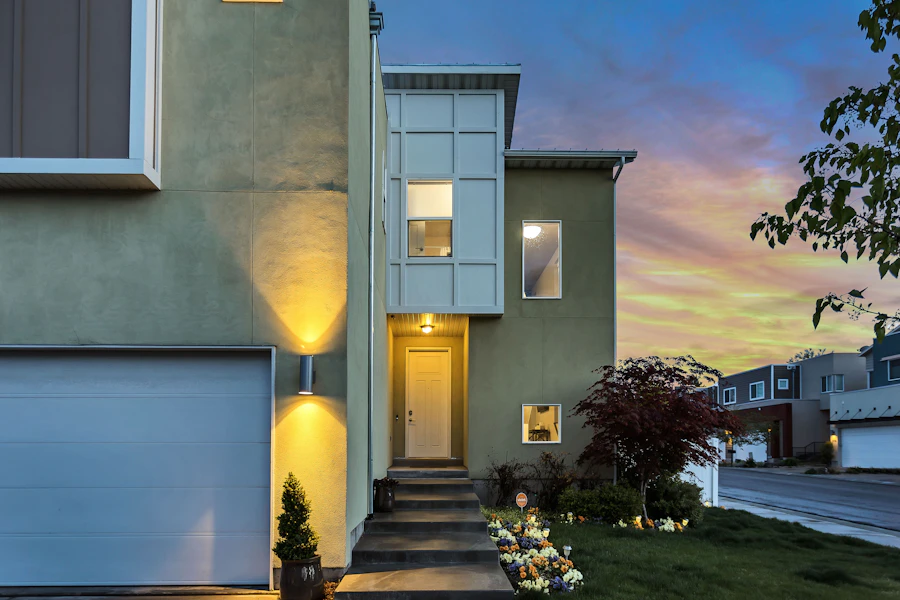
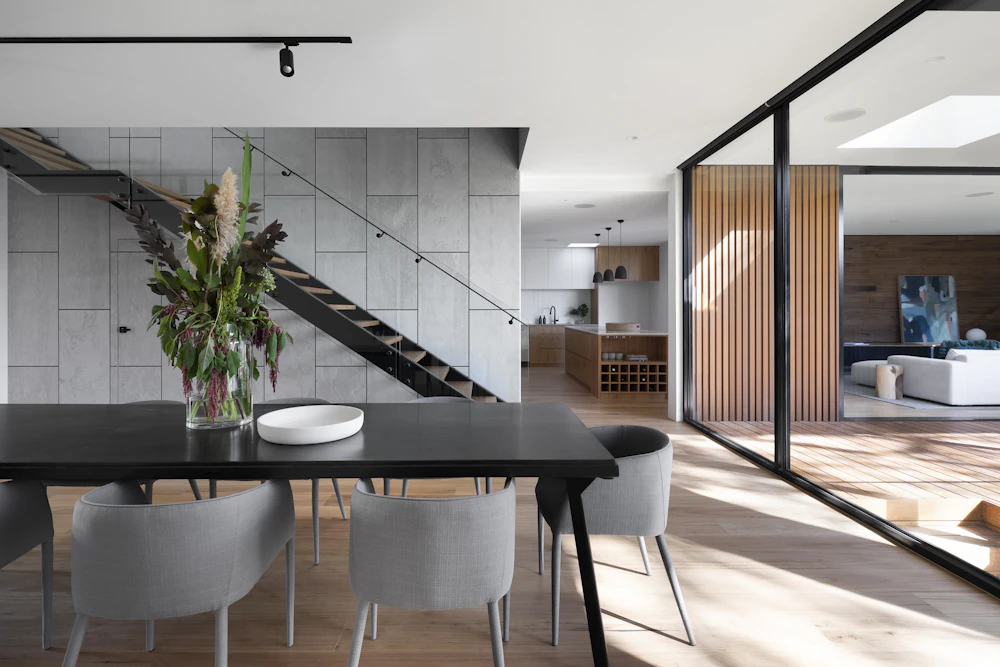
Downtown destinations
Consider central districts when dining, cultural venues, offices, and transit access are central to your plans.
- Compare street noise and floor level
- Review transit and walking routes
- Check parking before arrival

Start with the character of the destination, then compare neighborhoods, home layouts, everyday amenities, and arrival details before selecting a vacation rental.
Use these regional groups to organize your search. Individual property availability, amenities, policies, and locations should always be confirmed before booking.
Consider central districts when dining, cultural venues, offices, and transit access are central to your plans.
Look beyond the view to assess weather, local transport, nearby essentials, and travel time to planned activities.
Plan for elevation, temperature changes, terrain, and transport when choosing a home in a mountain destination.
A lively neighborhood can reduce travel time while increasing late-night activity, crowds, and street noise.
Homes outside the core may provide a calmer base, but transport, grocery access, and commute time deserve attention.
For shared stays, prioritize actual bed arrangements, gathering space, kitchen capacity, and convenient arrival plans.
A central address is not automatically the most convenient one. Plot the places you expect to visit, consider how you will move around, and assess the area at the times you are likely to return.
Then review the rental itself. Confirm sleeping arrangements, access, kitchen facilities, climate control, laundry, parking, and any building-specific requirements.
Keep the destination, neighborhood, and property details in view as you narrow your options.
Set dates, guest count, budget priorities, and the activities that will shape your location choice.
Compare neighborhoods by travel time, atmosphere, transport, and access to everyday essentials.
Check the exact layout, bed types, access arrangements, amenities, rules, and complete cost.
Resolve unclear details and read cancellation and arrival terms before making a commitment.
These planning categories help make different city rentals easier to evaluate side by side.
Neighborhood character, proximity to planned activities, transport choices, terrain, and nearby essentials.
Bedrooms, actual bed arrangements, shared spaces, privacy, stairs, entrances, and accessibility details.
Kitchen equipment, laundry, workspace, internet information, climate control, linens, and storage.
Check-in window, entry method, luggage considerations, parking, building access, and late-arrival procedures.
Guest limits, quiet hours, cancellation conditions, deposits, restrictions, and departure responsibilities.
Shared priorities, room allocation, travel schedules, accessibility needs, and a plan for communicating details.
Compare the time and cost of daily travel with your preferences for activity, quiet, space, and nearby services. The best option depends on your itinerary rather than distance to the city center alone.
Confirm the property's approximate area, transport options, parking if needed, terrain, building access, and travel time to the places central to your trip.
Consider nearby nightlife, major roads, construction, events, public spaces, and the home's floor and window orientation. Ask for clarification when a listing is vague.
No. Kitchens, laundry, workspaces, elevators, air conditioning, parking, and accessibility features vary. Check the individual description rather than assuming they are included.
Count actual beds, identify sofa beds and shared rooms, review bathroom access, and make sure the arrangement offers suitable privacy for every traveler.
Stayfred is an independent planning resource. Verify the property operator, availability, pricing, policies, and booking terms on the relevant listing.
Email info@stayfred.com-hotels.com. Do not send sensitive personal or financial information by email.
Use your wish list while comparing city locations, layouts, amenities, and practical details.